
Engineer insights
We always work with the latest frameworks, following best practices, and keeping up with the latest trends to improve how we make software.
We always work with the latest frameworks, following best practices, and keeping up with the latest trends to improve how we make software.

I coded GSM phone software at Nokia, by hand and down to the memory. Here is what each new abstraction layer took away, what it left, and where experience goes now that AI agents write the code.
We cut our main AI instruction file from 463 lines to 199, swapped step rules for goals, and our AI agents got better. Here is what we learned.
Our AI agents filed issues nobody needed. How moving the filing rule to the point where every issue is created keeps the backlog worth building.
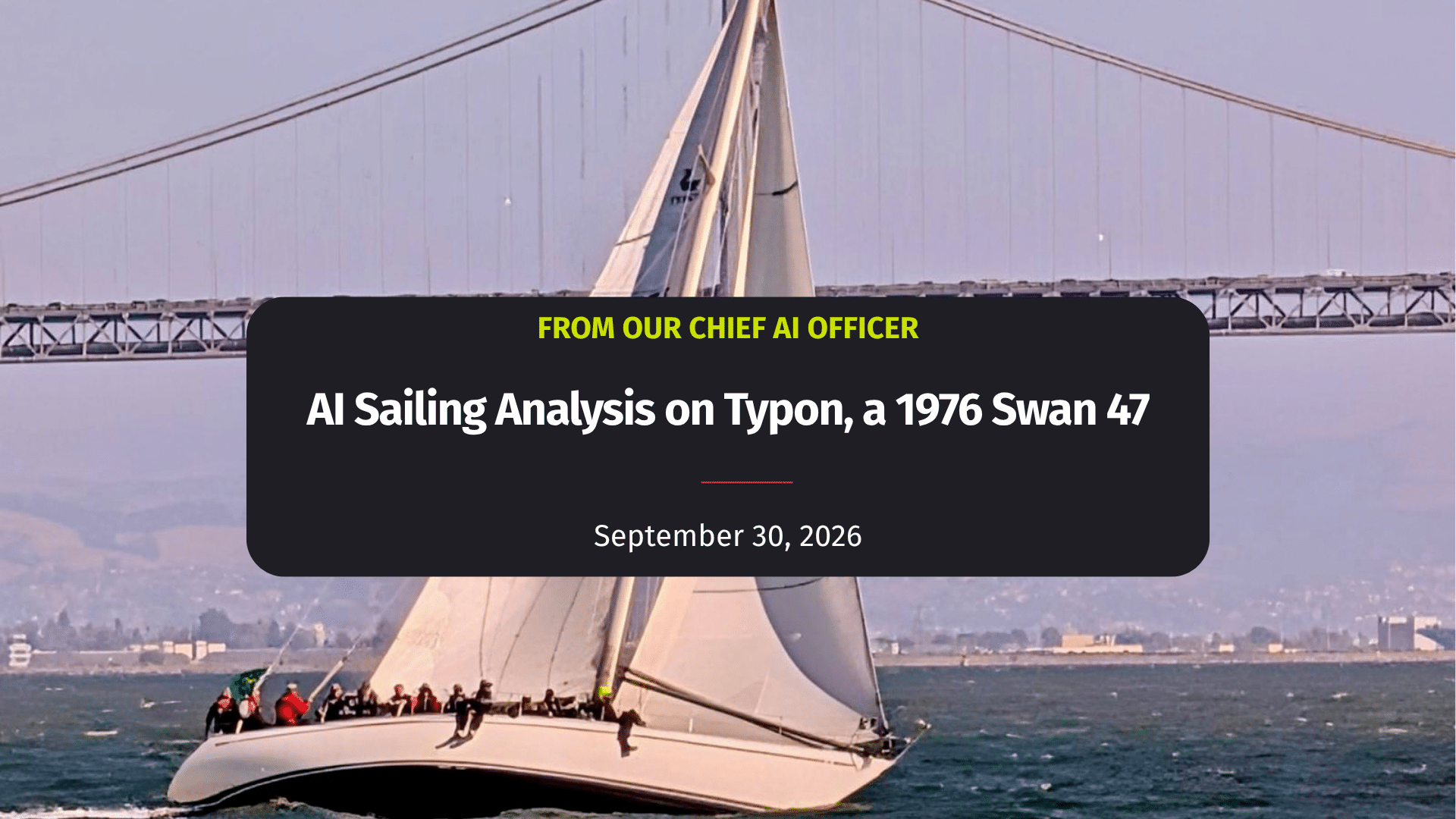
Typon is a Swan 47 from 1976. We put a Raspberry Pi below decks for the Rolex Big Boat Series, recorded every instrument reading and every rival that transmitted, and used AI to analyse the week against the boat’s own measured targets. This is how it was done and what…
An agent has full authority inside a step and none to move work across the line between two steps. This post walks the three doors where that authority stops, including the consequence bar that keeps an agent from filing every problem it can imagine.
In one week, one A-CX engineer closed 204 issues and merged 152 pull requests, with most of that week spent planning the work and unattended runs doing the execution. This post walks what the planning has to contain, the isolation that lets agents run in parallel, and the two gates…
In this follow-up, Mikko Peltola lays out A-CX’s five-step approach to PM for AI-driven projects: Deliver Brief, Deliver Spec, Deliver Plan, Deliver Code, and Deliver Deployment. He explains why the industry has solved the spec-to-code problem but not the client-to-spec step, and what happens when AI is left to guess…

AI-driven development has compressed build timelines from months to days, and product management has to move earlier to keep pace. Mikko Peltola argues that AI does not remove the need for structured requirements work, it just relocates where that work happens. He explains why reactive PM no longer survives a…

How A-CX turns a client’s real need into merged code: verified plans, an agile backlog agents execute against, and a human who owns the outcome.